 Thailand
Wat Na Yang Temple on the outskirts of Hua Hin is a place tourists rarely visit. It's not a hyped-up attraction with crowds and souvenir shops, but a quiet village temple with a giant monk statue, a pink Ganesha, and a real skeleton. It's worth going here if you've already seen everything around and want to see something truly unusual. In this post – practical information, our experience, and an important nuance that will save you time.
Wat Na Yang Temple and Is It Worth Visiting
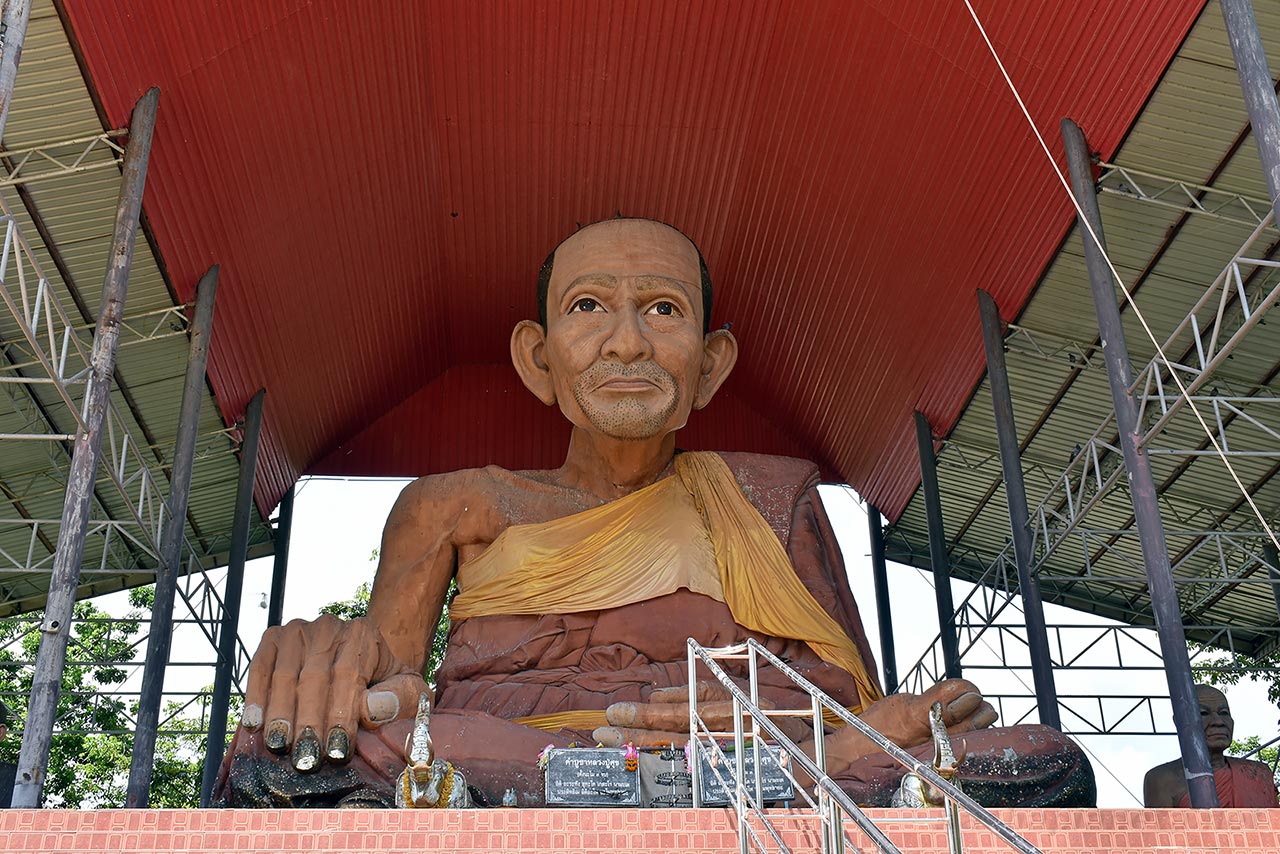
Wat Na Yang Temple was founded in 1837, during the reign of King Rama III. It's an active Buddhist temple that locals call the "Great Big Ears" – because of the huge statue of a monk with big ears, which is the main attraction of this place. The statue's official name is Luang Pu Suk, and it's considered one of the largest in the region.
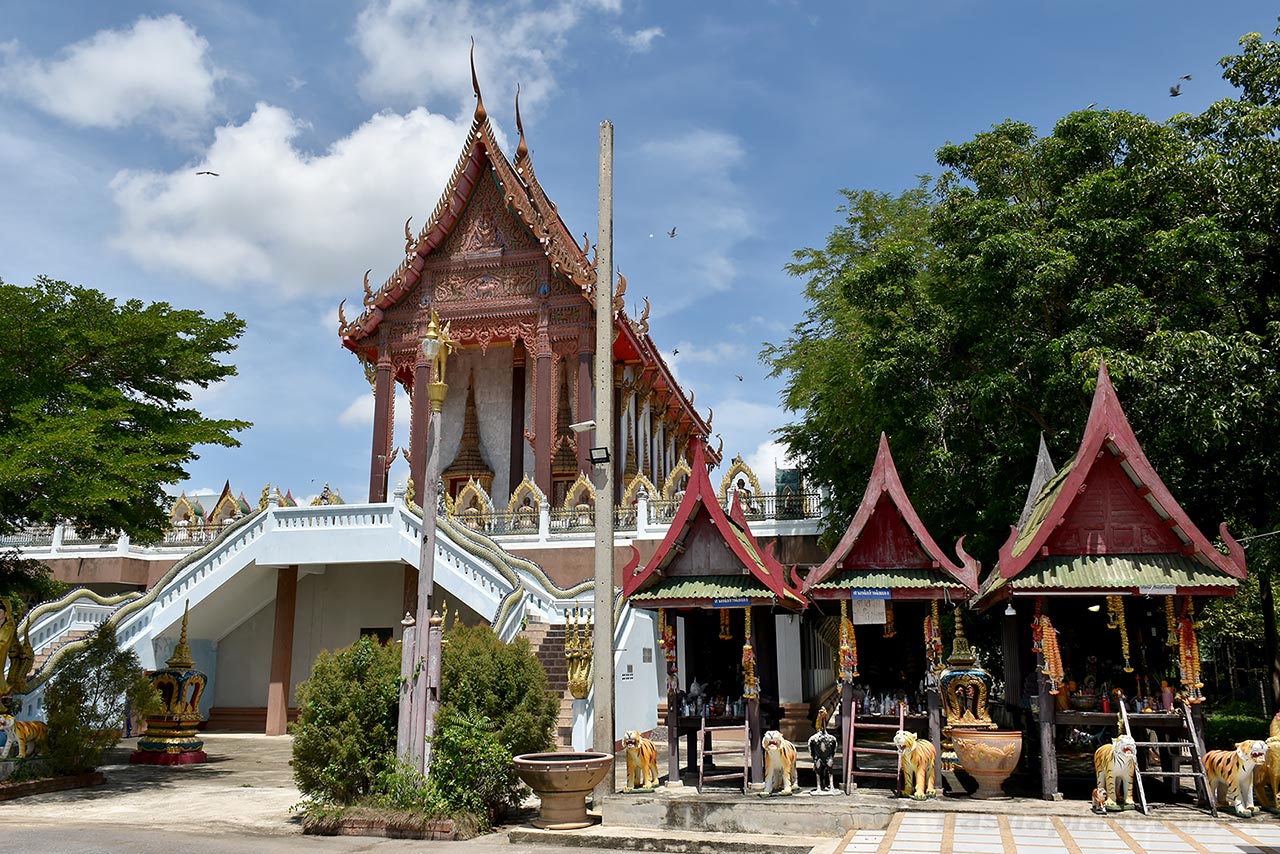
The temple grounds are quite large: there's an old chapel that's over 150 years old, and a new one, still closed. In our opinion, it's worth stopping by if you've already explored the main attractions of Hua Hin and want something off the beaten path. We wouldn't recommend driving across the whole city just for this temple, but combined with a trip to the million bat mountain – it's a great option.
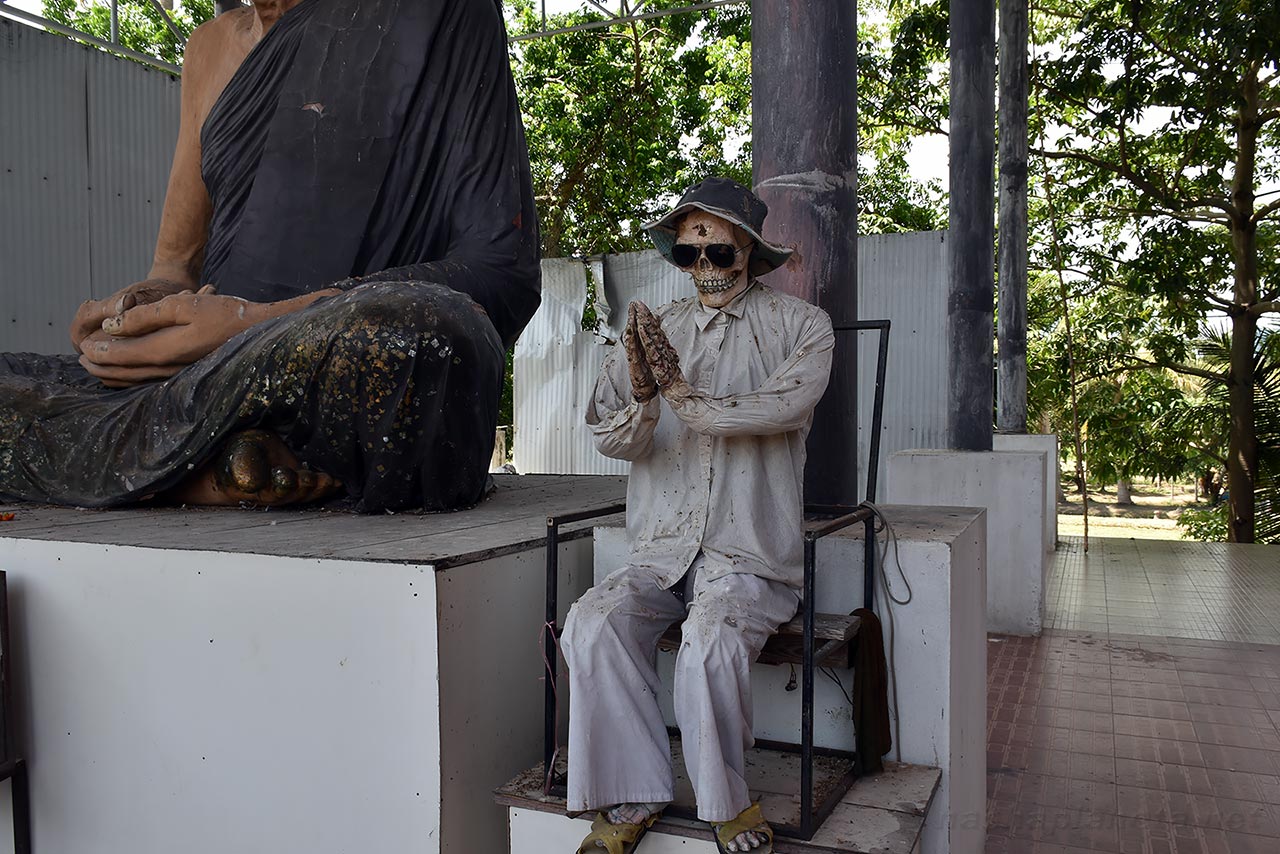
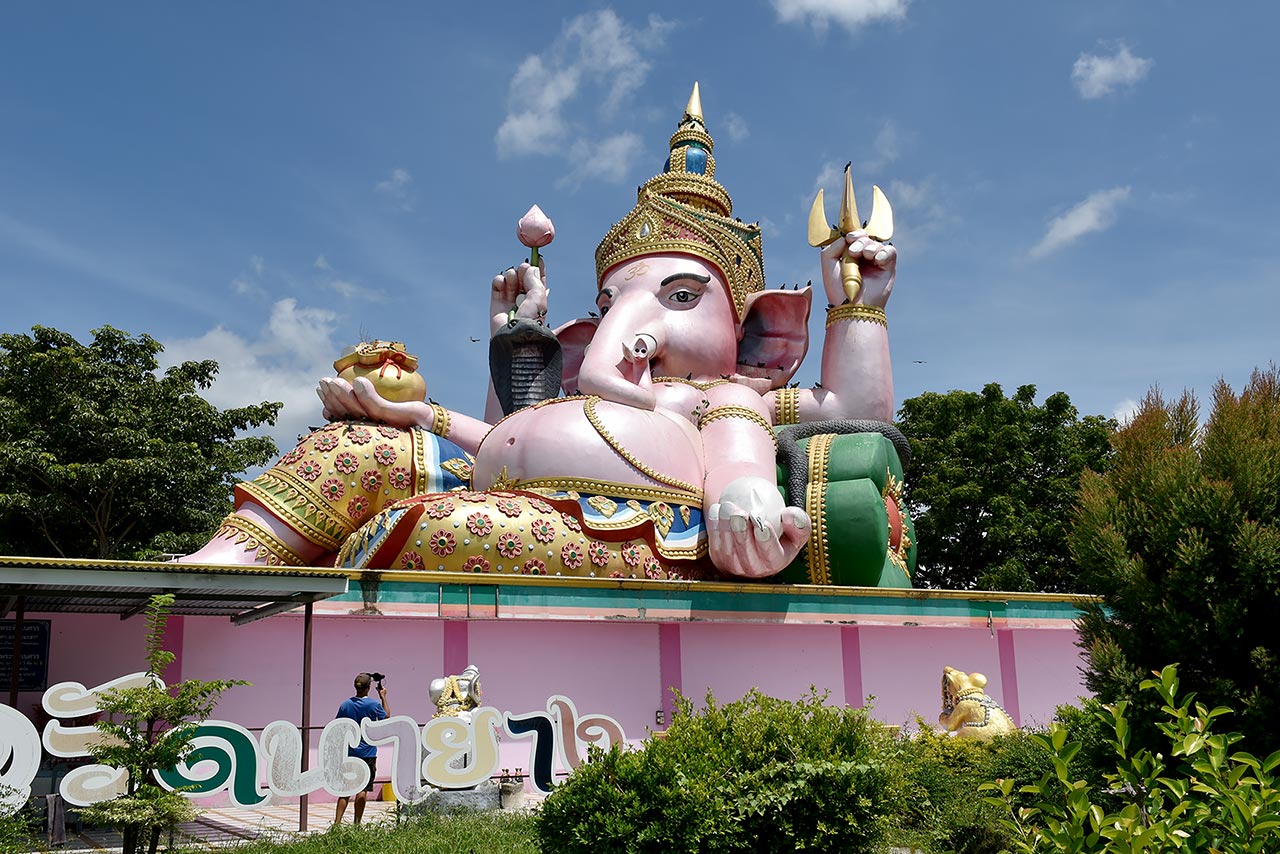
Besides the monk statue, there's more interesting stuff to see at the temple. Small statues of other saints are installed around the big monk statue, and near one of them a real skeleton sits on a chair. For foreigners this looks unusual, but in Thai Buddhist tradition such images are connected with the practice of death awareness – meditation on impermanence and the frailty of the body. Monks use such images to let go of attachments and the fear of death. If you walk further along the grounds toward the field, you can see another unusual object – a giant statue of a pink Ganesha. His appearance here isn't accidental: in Thai culture, Buddhism is closely intertwined with Hinduism and ancient animistic beliefs, so images of Hindu deities in Buddhist temples are not uncommon.
🕐 Opening Hours
The temple is accessible during daylight hours.
💵 Entrance Fee / Ticket Price
Entrance is free.
🚶 How to Get There
The temple is located in Na Yang village, 40 kilometers from Hua Hin and 15 from Cha-Am (Wat Na Yang Temple on the map). You can only get there by your own transport or taxi – public transport doesn't go here. The most convenient way is to combine a visit to the temple with a trip to the million bat mountain: first stop at Wat Na Yang, and only then head to the viewpoint. If you do it the other way around, you'll arrive at a closed temple and see nothing.