Another story that the media reported in March 2026 as a sensation sounded almost like a joke. Two girls flew to Phuket, bought mangoes and various exotic fruits at the market, and the seller beautifully packaged everything in a large plastic basket. But at check-in, the basket wasn't allowed. They had to repack the fruits into backpacks right at the counter. And in the waiting area, they saw several other abandoned baskets with already spoiled fruits. Then the rumors started flying that baskets were no longer allowed on planes. But in reality, it's not like that at all – the truth is somewhere in between.
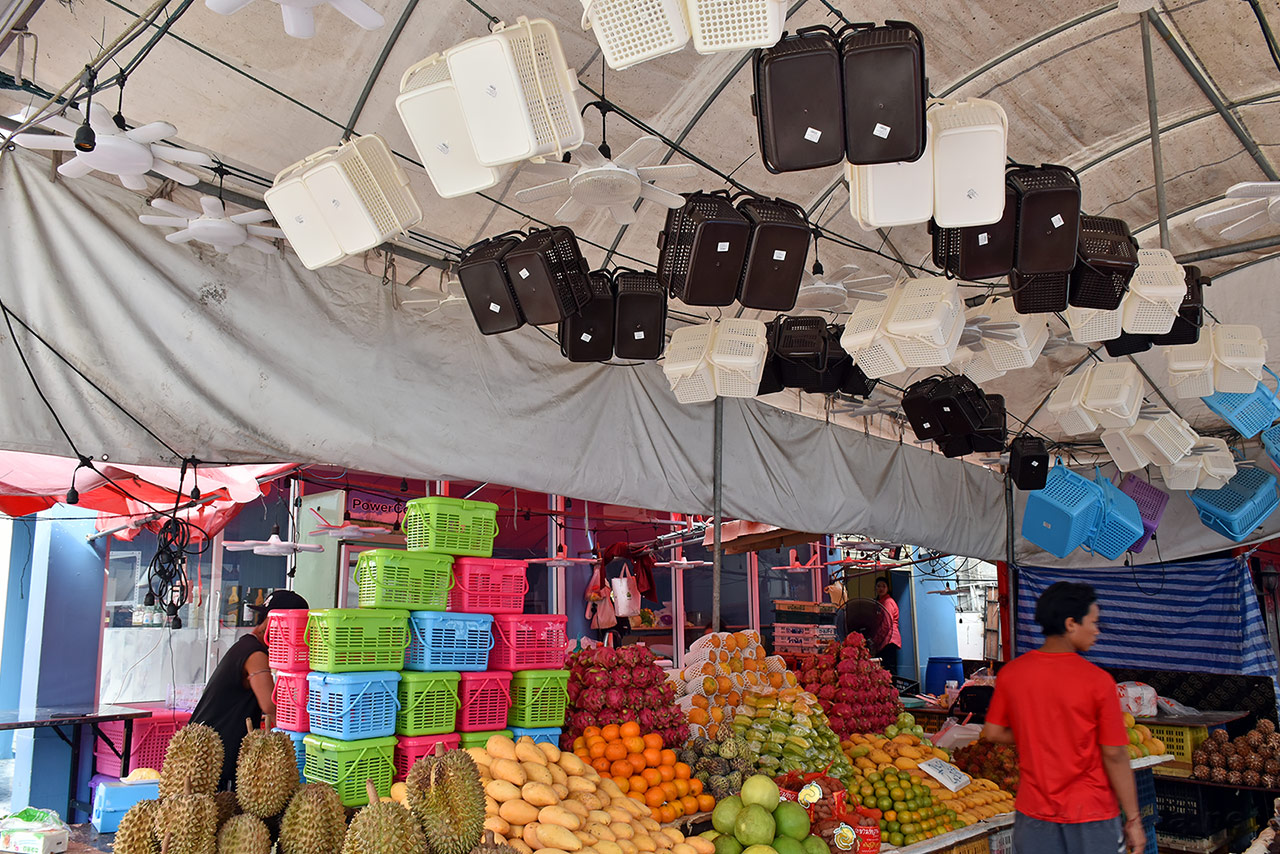
Where the basket myth came from
After this latest (and far from first) incident, travel chats and social media were flooded with horror stories: some decided that airlines had banned baskets, others – that they had banned fruit, and still others – that it was all about customs. Guides, who often get their information from the same chats, picked it up and spread it. And the truth, as usual, turned out to be simpler and more boring.
What the actual rules say
Customs has nothing to do with it
Customs restrictions apply to the quantity of fruit you bring in, not the packaging. For example, Thailand doesn't restrict exports at all – buy as much as you want. When entering Russia, the rule is: up to 5 kg of fresh fruits and vegetables per person can be brought without a phytosanitary certificate. More than 5 kg – you need documents, or you risk saying goodbye to your haul. For two people, that's 10 kg, roughly 20–25 medium mangoes. More than enough for a vacation, you'll agree.
Airlines – yes, but only within size limits
There is no ban on baskets per se in airline or airport regulations. Neither in checked baggage nor in carry-on. But there are clear rules on weight, dimensions, and the number of carry-on items. If your basket doesn't fit within these limits – it won't be allowed on board. That's exactly what happened to the girls in Phuket: the basket was larger than the allowed size (55×40×20–25 cm).
Many airlines, especially charters, used to allow an extra fruit basket on top of the standard carry-on allowance as a bonus for package tourists. But recently, most carriers have scrapped this practice – either banning this bonus altogether or only allowing it for an extra fee as an additional baggage item. This is what created the myth: "It used to be allowed, now it's not – so it's banned." In reality, it's not the basket that was banned, but the free bonus.
Guides get it wrong – and that's okay
Guides aren't airline employees – they repeat what they've heard from tourists or read online. Everyone makes mistakes, even experienced travelers. So don't take their words as gospel. It's better to check the information on the carrier's official website or in your itinerary receipt.
Comparison of Russian airline rules (2026)
We've checked the current rules of the main carriers. Here's what you need to know:
| Airline | Carry-on (weight/dimensions) | Fruit specifics |
|---|---|---|
| Aeroflot | 10 kg, 55×40×25 cm | Up to 5 kg of fruit in cabin without a certificate (when entering Russia) |
| S7 Airlines | 10 kg, 55×40×23 cm | From abroad – up to 5 kg, within Russia – no limits |
| Ural Airlines | 10 kg, 55×40×25 cm | No special packaging rules |
| Red Wings | 5 kg, 40×30×20 cm | Fruit allowed, basket up to 5 kg in baggage – extra fee ~15 USD (approx. 15 USD) |
| Pobeda | 36×30×27 cm, no weight limit | — |
Note: rules may vary depending on the fare and destination. Always check your itinerary receipt or the airline's website before departure.
Which fruits you can't bring in any packaging
There are several types that won't be allowed in the cabin regardless of whether they're in a basket or a container:
- 🍍 Durian – banned by all airlines without exception. The smell is so strong that the crew would rather land the plane in a field just to air it out. Only dried or dehydrated durian is allowed.
- 🥝 Whole coconut – the shell isn't X-ray transparent, and there's more than 100 ml of liquid inside. Only peeled or cut coconut is allowed.
- 🍉 Whole watermelons and melons – they can burst in-flight due to pressure changes. Only take them cut and in a sealed container.
- 🍇 Jackfruit – some airlines also ban it because of its strong smell.
Important: even if a fruit is allowed, make sure it doesn't have a strong odor, otherwise the flight attendants may ask you to put it in the baggage.
How to bring fruit without problems – a checklist
- Check your airline's rules – weight, dimensions, number of items. Info is in your itinerary receipt or on the website.
- Don't take a basket larger than 55×40×20–25 cm (this is the most common size limit) – even if it's within weight limits, it might not fit size-wise.
- Don't take more than 5 kg per person when entering Russia – without a certificate.
- Wrap large fruits in paper or bubble wrap – mangoes, papaya, and other delicate fruits don't like being jostled.
- Don't take durian, whole coconuts, whole watermelons or melons – these are guaranteed problems.
- If in doubt – put fruits in checked luggage (within the allowed limit) or in a regular backpack.
Pro tip: many experienced travelers carry a foldable shopping bag. If the basket isn't allowed, they simply transfer the fruits into the bag and leave the basket behind. That way you lose nothing except the basket itself.
The bottom line: no conspiracy, just size limits
You can bring fruit on a plane. You can also bring baskets. The key is that the packaging must fit within the airline's weight and size limits. There's no secret ban. No customs conspiracy behind it. Someone once confused the cancellation of a free bonus with a ban, and it snowballed. And guides who talk about "new rules" are often just repeating what they read in the same chats. Don't be mad at them – they're only human.
Have you ever run into problems bringing fruit on a plane? Did you have a basket that wasn't allowed onboard? Share your story in the comments – your experience might save someone else's vacation.
Useful materials:
- Big guide and ranking of exotic fruits – find out which fruits are worth bringing and which ones you're better off skipping.
- China abolished visas for Russians – new rules
- How to book hotels abroad with a MIR card